
Top 5 Common EV Problems & Troubleshooting Guide
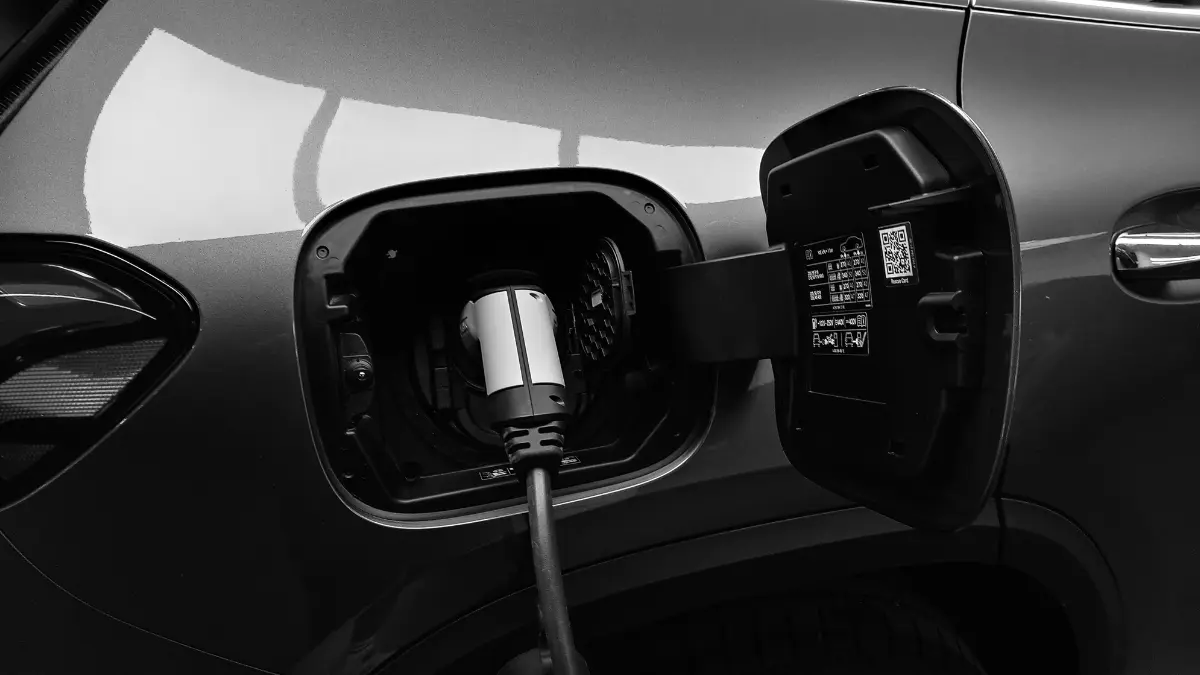
Transitioning from a traditional combustion-engine vehicle to an electric vehicle introduces drivers to new technology, software interfaces, and charging ecosystems. While EVs are mechanically simpler and statistically more reliable than petrol cars, owners occasionally encounter specific technical hurdles. Knowing how to diagnose and troubleshoot these common issues can save you time, stress, and unnecessary tow truck fees.
1. Public Charger Handshake Failures
The Issue: You plug a public DC fast charger or AC destination charger into your vehicle, but the charging session fails to initiate, resulting in an error message on the charger screen or dashboard.
Troubleshooting: Charger handshake failures often stem from communication protocol mismatches or physical misalignment. First, ensure the charging flap is fully open and the heavy connector is pushed firmly into the port while supporting its weight so the latch engages cleanly. If the station displays an error, unlock your vehicle, lock it again to reset the electronic locking pin, and re-initiate the session via your RFID card or charging app before plugging in.
2. 12V Auxiliary Battery Drainage
The Issue: Your high-voltage traction battery is fully charged, but your EV refuses to power on, leaving instrument clusters dark and doors locked.
Troubleshooting: Electric vehicles still rely on a standard 12V lead-acid or AGM auxiliary battery to power onboard computers, infotainment screens, and door sensors before engaging the high-voltage contactors. If the vehicle sits parked for weeks or accessory power is left running, this 12V battery can deplete. Jump-starting the 12V battery using portable jumper cables or trickle charging it overnight will restore system functionality.
3. Reduced Regenerative Braking in Cold Weather
The Issue: On freezing winter mornings, you notice that lifting your foot off the accelerator does not slow the car down effectively, and a dashboard warning notes reduced regen braking.
Troubleshooting: This is a normal safety feature rather than a mechanical failure. Cold lithium-ion battery cells cannot safely accept high electrical currents generated during aggressive regenerative braking. Once the battery pack warms up through driving or pre-conditioning, full regenerative braking capability will automatically return.
4. Infotainment and Software Freezes
The Issue: Central touchscreens, navigation maps, or climate control displays become unresponsive or freeze entirely.
Troubleshooting: Because modern EVs function essentially as computers on wheels, software glitches can occur. Most vehicles allow a soft reboot of the infotainment system by holding down both steering wheel scroll wheels or preset buttons for 10 to 15 seconds until the screen restarts.
5. Unexpected Range Reduction in Highway Driving
The Issue: The vehicle's estimated battery range drops much faster than anticipated during high-speed highway cruising.
Troubleshooting: Unlike petrol cars that achieve peak efficiency at highway speeds, EVs work hardest against aerodynamic drag at higher velocities. Operating at triple-digit speeds drastically increases energy consumption per kilometer. Maintaining steady speeds, utilizing adaptive cruise control, and pre-heating the cabin while plugged into grid power before departure will mitigate highway range drop.